Skip to Content

Blog Archives

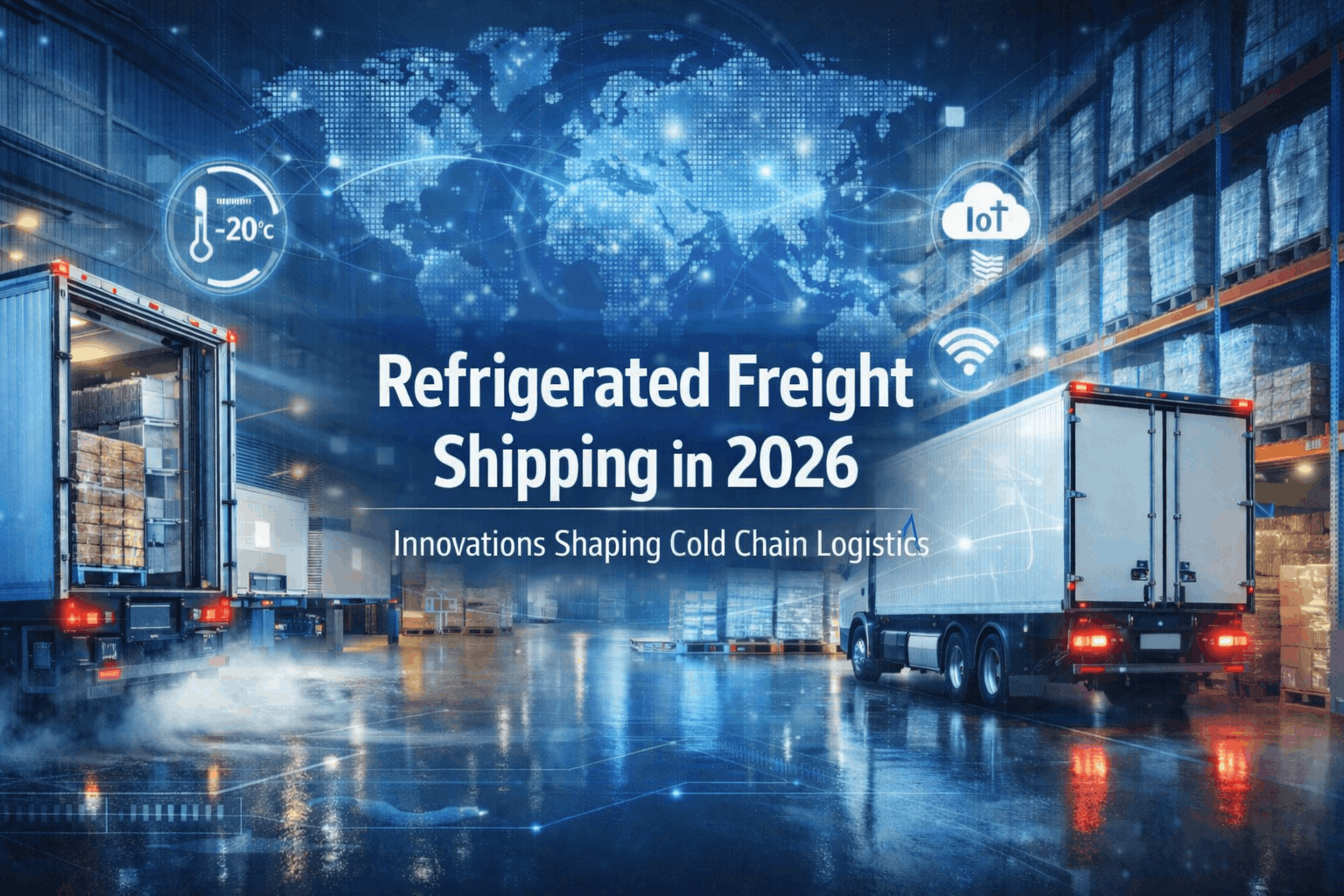
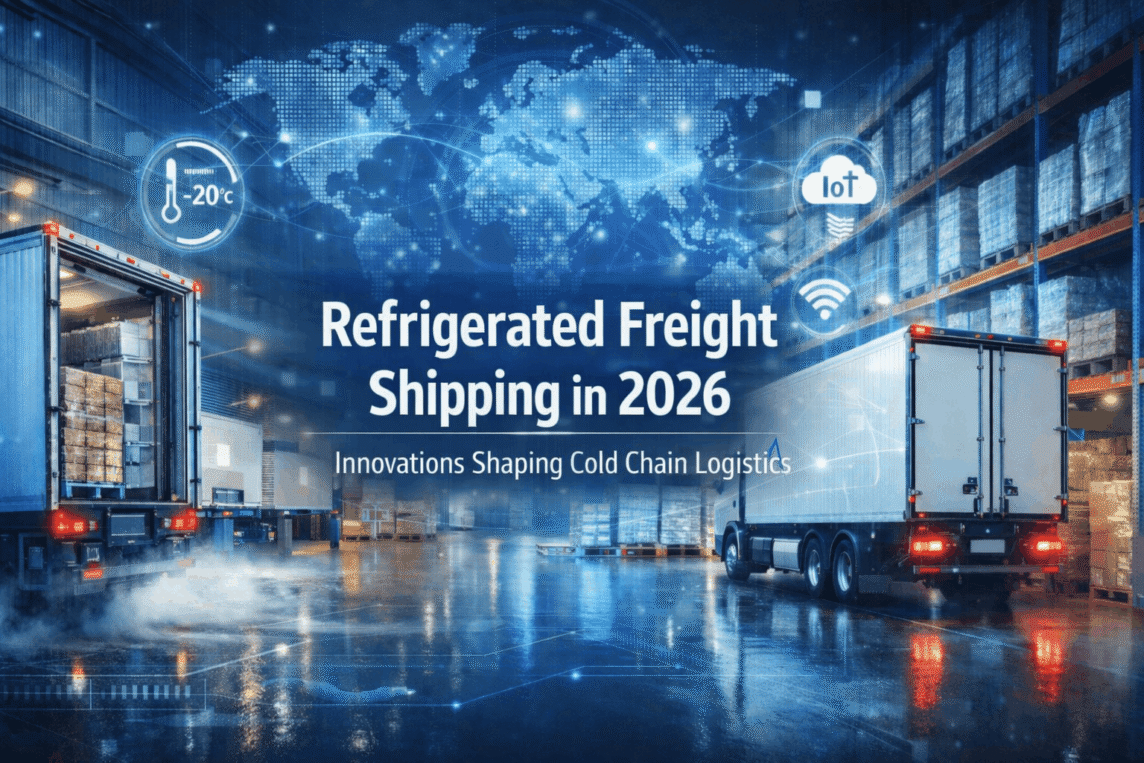
Refrigerated Freight Shipping in 2026: How Innovations Are Shaping Cold Chain Logistics

The refrigerated freight industry is undergoing significant transformations in 2026, driven by rapid technological advancements and an increasing demand for faster, more reliable transportation of temperature-sensitive goods. This blog explores the latest innovations in cold chain logistics, from refrigerated LTL carriers to frozen freight shipping and refrigerated transport services, and how they’re shaping the future of refrigerated freight shipping.

What’s New in Refrigerated Freight Shipping in 2026?

In 2026, the cold chain logistics landscape is evolving rapidly. The demand for temperature-controlled shipping is rising as more industries require precise temperature management, particularly for sensitive products such as pharmaceuticals, food, and chemicals. Technologies like smart refrigeration systems, real-time tracking, and automation are pushing the boundaries of refrigerated transport. These innovations enable companies to provide better quality service, reduce costs, and maintain product integrity throughout the journey.

Refrigerated LTL carriers have become more efficient, with better cooling technologies that ensure goods remain at the required temperature. Furthermore, refrigerated transport services are becoming more streamlined, offering faster transit times and optimized routes, which improves overall efficiency.

Smart Refrigeration Systems: The Future of Cold Freight Shipping

One of the most groundbreaking developments in cold freight shipping is the rise of smart refrigeration systems. These systems use Internet of Things (IoT) sensors and AI technology to monitor and control the temperature inside refrigerated containers in real time. This technology ensures that the temperature is constantly maintained, even during transit.

These systems also offer predictive maintenance, helping to ensure that the equipment is functioning at optimal levels. In the event of a temperature fluctuation, the system can send alerts to the driver or logistics team, allowing them to take corrective actions before the product is damaged. This minimizes the risks of temperature excursions, which is critical in maintaining the integrity of perishable goods.

Cold Freight Shipping in 2026: Faster, Safer, More Efficient

Cold freight shipping in 2026 has become faster, safer, and more efficient due to several key innovations. GPS tracking, automated routing, and improved communication between drivers, logistics teams, and customers ensure that goods are delivered quickly and safely.

Automation is also playing a growing role. Robotic handling systems are streamlining warehouse operations, drone-assisted inventory management is improving accuracy in cold storage facilities, and advanced driver-assistance systems are beginning to enhance safety and efficiency on the road. These advancements help reduce human error and support faster turnaround times, allowing temperature-sensitive goods to reach their destination with minimal delay.

Global Disruptions and Their Impact on Cold Chain Logistics in 2026

In 2026, global geopolitical tensions and regional conflicts continue to affect international shipping routes and overall supply chain reliability. Disruptions in key corridors such as the Red Sea have resulted in longer transit times, rising fuel costs, and reduced carrier availability, leading to pressures that ripple into domestic freight markets as well.

For temperature-sensitive freight, these disruptions present a heightened risk. Even minor delays can lead to temperature deviations, product spoilage, and compliance challenges, particularly in the pharmaceutical and food distribution sectors.

To address these challenges, logistics providers are adopting more resilient cold chain strategies, including:

  • Diversifying shipping routes to avoid high-risk zones
  • Using real-time monitoring and predictive alerts to prevent temperature excursions
  • Leveraging strategically located cold storage hubs
  • Strengthening regional carrier networks for greater flexibility

As global uncertainty continues, cold chain risk management is becoming a critical factor in ensuring shipment integrity and maintaining customer trust.

Frozen Freight Shipping: Navigating the Growing Demand for Perishables

The demand for frozen freight shipping is growing, particularly for the food and pharmaceutical industries. Innovations in refrigeration technology are helping meet this demand, with companies now using advanced cryogenic systems and ultra-low-temperature (ULT) refrigerated trailers to transport frozen goods over long distances.

In 2026, frozen freight shipping is becoming more specialized, with dedicated fleets for temperature-sensitive cargo. Cold storage facilities with high-tech refrigeration systems ensure that frozen products are stored at the correct temperatures before and after transit, reducing waste and spoilage.

The Growing Role of the Refrigerated Freight Broker in Today’s Market

As the cold chain logistics market grows in complexity, refrigerated freight brokers are becoming increasingly essential. These brokers serve as intermediaries between businesses and logistics providers, ensuring that goods are transported securely, efficiently, and in full compliance with industry regulations, including FDA food safety requirements such as FSMA Rule 204, which continues to raise the bar for traceability in food and beverage shipping.

In 2026, refrigerated freight brokers are leveraging AI and machine learning to predict shipping routes, anticipate capacity constraints, and improve delivery time accuracy. This translates to more reliable quotes, fewer delays, and better outcomes for shippers navigating a tight reefer capacity market.

Next-Gen Refrigerated Transport Services: What to Expect

The next generation of refrigerated transport services promises to offer even more advanced features for the industry. Expect to see an increase in the use of sustainable, energy-efficient refrigerants, along with AI-powered route optimization tools that improve delivery speeds while reducing environmental impact.

These transport services are also becoming more customizable, offering tailored solutions for industries such as pharmaceuticals, agriculture, and chemicals. The ability to provide end-to-end tracking ensures that customers have complete control over their shipments.

Overcoming Challenges in 2026’s Refrigerated Freight Market

Despite significant technological advancements, several challenges remain in refrigerated freight shipping. Rising fuel costs, stricter environmental regulations, and the need for more efficient cold storage solutions are some of the key obstacles.

However, companies are finding innovative ways to tackle these issues. The adoption of alternative fuels, such as electric and hydrogen-powered trucks, is helping to reduce carbon emissions. Additionally, blockchain for traceability and improved cold storage techniques are ensuring that goods are transported in the most efficient and sustainable manner possible.

How RWI Logistics Leads the Way in Refrigerated Freight Shipping in 2026

As the industry continues to evolve, RWI Logistics is leading the way in delivering advanced refrigerated transport solutions. We provide reliable refrigerated LTL carriers that ensure your products are delivered safely, on time, and at the correct temperature.

We leverage the latest technologies, including smart refrigeration systems and AI-powered route optimization, to maintain high service standards and minimize risks.

We also help clients navigate supply chain disruptions by utilizing flexible routing strategies, real-time monitoring, and a strong carrier network. This ensures that even during uncertain conditions, your temperature-sensitive shipments remain protected.

Our team delivers customized solutions tailored to industries such as food, pharmaceuticals, and chemicals, ensuring complete cold chain integrity from origin to destination.

Conclusion

In 2026, refrigerated freight shipping continues to evolve with a strong focus on speed, efficiency, resilience, and sustainability. Innovations in smart refrigeration, AI, and automation are transforming how temperature-sensitive goods are transported, global supply chain disruptions are reinforcing the importance of adaptability and proactive cold chain risk management.

Partnering with an experienced logistics provider means you don’t have to navigate these challenges alone. RWI Logistics brings the technology, carrier relationships, and industry expertise to keep your temperature-sensitive shipments protected from origin to destination, no matter what the market throws your way.

Ready to optimize your cold chain? Contact RWI Logistics today to get started.

0 Continue Reading →

Keeping Holiday Foods Fresh: The Rise of Cold Chain Logistics During Christmas

The holiday season brings people together over warm gatherings, festive celebrations, and most importantly, food. From fresh produce and dairy to holiday meats, chocolates, and baked goods, the demand for temperature-controlled shipping surges every year during Christmas. Ensuring that these items arrive fresh, safe, and ready for holiday tables requires a dependable cold chain network. This growing need has pushed cold freight shipping and advanced refrigerated logistics into the spotlight as essential components of modern holiday supply chains.

As consumer expectations rise and nationwide distribution expands, businesses must lean on strong transportation partners who can protect product integrity while maintaining speed and reliability. In this blog, we’ll explore how cold chain logistics supports the holiday surge and why choosing the right temperature-controlled solutions is vital for your seasonal shipments.

Why Holiday Foods Require Specialized Cold Chain Networks

The holiday season creates a unique shipping environment. Food manufacturers, grocery distributors, and retailers experience sharp increases in demand as families prepare for gatherings, travel, and large meals. Perishable items require consistent temperature control from the moment they leave the supplier until they reach stores or customer homes.

Any disruption, whether a short delay or a temperature fluctuation, can damage product quality, reduce shelf life, or pose safety risks. As a result, more companies are relying on refrigerated freight shipping to maintain product integrity, minimize waste, and meet rising consumer expectations for freshness.

Christmas also amplifies logistical challenges, including:

  • Higher shipping volumes
  • Increased traffic and weather disruptions
  • Tight delivery windows
  • Stock shortages and replenishment pressure

A reliable refrigerated transport service ensures that these complexities don’t compromise product safety or market availability.

How Cold Chain Logistics Supports Holiday Supply Chains

1. Stable Temperature Control From Origin to Destination

Some foods need to stay chilled. Others must remain fully frozen. Holiday treats like specialty chocolates require precise climate control to prevent melting or texture changes. Modern cold chain technology ensures precise temperature control throughout the journey.

As demand for nationwide distribution rises every Christmas season, businesses use cold freight solutions to prevent spoilage during long-haul travel and final-mile delivery.

2. Reduced Spoilage and Product Loss

The holiday rush leaves little room for error. Even minor temperature deviations for minutes can result in costly product loss. Real-time monitoring, insulated equipment, and enhanced packaging all help reduce risks.

Using refrigerated freight shipping allows businesses to maintain quality controls and minimize shrinkage, ensuring that products reach consumers in perfect condition.

3. Faster Turnaround for Perishable Goods

Holiday inventory moves faster than at any other time of the year. Retailers frequently restock shelves, fulfillment centers handle more orders, and food distributors schedule back-to-back shipments.

A dependable refrigerated transport service supports this pace by providing timely pickups, optimized routing, and reliable delivery windows.

Cold Chain Challenges During Christmas

While the cold chain plays a vital role during the holidays, it also encounters seasonal obstacles:

  • Unpredictable Winter Weather

Snow, ice storms, and cold fronts can cause delays and force route changes. Carriers must adapt quickly to preserve temperature integrity.

  • Higher Shipping Volumes

More freight on the road means increased competition for reefer capacity. Businesses must plan ahead to secure reliable temperature-controlled transport.

  • Stricter Safety Requirements

Holiday food demand increases the importance of compliance with FDA regulations, handling guidelines, and food safety protocols.

  • Rising Consumer Expectations

With grocery delivery, meal kits, and online food shopping becoming more common, consumers expect fresh products delivered directly to their homes even during peak season.

Proper planning and trusted carrier partnerships help overcome these challenges.

Industries That Rely on Cold Chain Logistics During Christmas

Cold chain logistics doesn’t support only one sector; multiple industries depend on it during the holiday season:

  • Meat and poultry suppliers for Christmas roasts and turkeys
  • Dairy producers for cheese platters, eggnog, and bakery ingredients
  • Seafood distributors fulfilling holiday dinner traditions
  • Bakeries and confectioneries shipping temperature-sensitive treats
  • Fresh produce growers supplying seasonal fruits and vegetables
  • Frozen foods for convenience cooking during gatherings

Each of these industries requires tailored solutions to maintain freshness and prevent contamination.

How Businesses Can Prepare for Holiday Cold Chain Shipping

1. Reserve Reefer Capacity Early

The Christmas season experiences some of the highest booking rates of the year. Planning ahead ensures access to quality temperature-controlled equipment.

2. Optimize Packaging for Seasonal Conditions

Insulated packaging, temperature loggers, and moisture-resistant materials protect goods from the elements during winter.

3. Use Real-Time Monitoring

Visibility into temperature, door openings, and route progress helps ensure that all freight remains compliant and safe.

4. Partner With Skilled Temperature-Controlled Carriers

Expert logistics providers understand holiday surges, weather patterns, and industry regulations, ensuring better performance when it matters most.

How RWI Logistics Supports Holiday Cold Chain Needs

At RWI Logistics, we understand the pressure placed on food distributors and retailers during the Christmas season. We offer tailored temperature-controlled freight solutions built to keep holiday inventory fresh, safe, and on schedule.

Whether you need:

  • Long-haul refrigerated transport
  • Regional holiday restock trips
  • Or multi-stop delivery planning

Our team provides dependable support powered by modern equipment, real-time visibility tools, and experienced cold-chain carriers.

Our approach ensures that businesses can fulfill customer demand, prevent costly waste, and maintain product quality throughout the busiest season of the year.

Conclusion

Christmas is a time for celebration, and ensuring that holiday foods arrive fresh and safe is essential to preserving the joy of festive meals. As demand surges, businesses increasingly rely on robust cold chain logistics networks, including cold freight and refrigerated freight shipping, as well as dependable refrigerated transport services.

With the right planning and the right transportation partners, shippers can navigate holiday challenges confidently and deliver the quality their customers expect, no matter how cold the season gets.

0 Continue Reading →

Innovations Reshaping Refrigerated Freight Shipping

The refrigerated freight shipping industry has undergone significant changes lately, sparked by new technology and innovations. These improvements not only enhance the efficiency and reliability of transporting perishable goods but also contribute to a more sustainable and cost-effective supply chain. Let’s dive into some recent innovations shaping the future of refrigerated freight!

Advanced Telematics Systems

Advanced Telematics SystemsSafeguarding temperature-sensitive goods is an ongoing priority, and recent advancements in telematics systems are at the forefront of this endeavor. These new systems utilize IoT (Internet of Things) sensors along with GPS data, and onboard diagnostics to capture and send real-time insights directly to end users. 

How Can Telematics Improve Your Freight? 

Onboard Device Capabilities:

  • Real-time Tracking: Telematics enables real-time tracking of vehicles and shipments, providing accurate location information to shippers and customers. This improves visibility throughout the supply chain, enabling better planning and scheduling of deliveries.
  • Driver Behavior Monitoring: Telematics devices can monitor driver behavior, including speed, braking, and acceleration patterns. By analyzing this data, companies can identify unsafe driving practices and provide training to improve driver safety and reduce accidents.
  • Temperature Monitoring: For refrigerated or temperature-sensitive shipments, telematics systems provide real-time monitoring of temperature and humidity levels inside cargo compartments. This ensures that perishable goods remain within the desired temperature range throughout transit, reducing the risk of spoilage and preserving product quality.


Benefits of Telematics:

  • Environmental Impact: Telematics technology can support sustainability initiatives by monitoring vehicle emissions, optimizing routes to reduce carbon footprint, and promoting eco-friendly driving practices. By minimizing environmental impact, companies can demonstrate their commitment to corporate social responsibility and environmental stewardship.
  • Fuel Efficiency: Telematics technology tracks fuel consumption and identifies opportunities to improve fuel efficiency. By monitoring factors such as engine idling, route efficiency, and driver behavior, companies can implement strategies to reduce fuel consumption and lower operating costs.
  • Route Optimization: Telematics systems analyze traffic patterns, road conditions, and weather forecasts to optimize routes. By selecting the most efficient paths, companies can reduce fuel consumption, minimize delivery times, and improve overall fleet productivity. 

Autonomous Refrigerated Vehicles

Autonomous Refrigerated Vehicles

In the ever-evolving world of logistics, autonomous vehicles (AVs) stand out as a game-changer, offering a myriad of benefits that enhance safety, efficiency, and cost-effectiveness.

Benefits of Autonomous Vehicles for Refrigerated Freight Shipping:

  • Enhanced Safety: Autonomous vehicles significantly reduce accidents caused by human error. By consistently following traffic rules and avoiding distractions, AVs mitigate the risk of collisions. Moreover, they minimize the potential for fatigue-related accidents, as they do not tire or lose focus during long journeys.
  • Improved Traffic Flow: AVs communicate seamlessly with each other and traffic management systems, leading to smoother traffic flow. This enhanced coordination results in reduced congestion, ultimately translating to less time spent on the road. The reduction in traffic congestion not only benefits the environment but also enhances overall transportation efficiency.
  • Cost Savings: The adoption of AVs promises substantial cost savings for businesses. With the potential to cut travel time by up to 40% and recover up to 80 billion hours lost to commuting and congestion, AVs offer significant economic advantages. Additionally, AVs can reduce fuel consumption by up to 40%, resulting in considerable savings for operators. These cost-saving benefits are projected to be worth about $1.3 trillion in the United States alone.
  • Efficiency: In the realm of refrigerated freight shipping, AVs play a vital role in ensuring the efficient delivery of goods. Refrigerated AVs maintain consistent temperatures during transit, safeguarding the quality and safety of perishable goods. Furthermore, their ability to operate 24/7 reduces delivery times and enhances supply chain efficiency.

Solar-Powered Refrigeration Units

Solar-Powered Refrigeration Units

In the dynamic realm of logistics, solar-powered refrigeration units emerge as a transformative solution, offering a host of advantages that amplify sustainability, operational efficiency, and cost-effectiveness.

Benefits of Solar-Powered Refrigeration Units in Logistics:

  • Environmental Sustainability: Solar-powered refrigeration units represent a significant step towards environmental sustainability in logistics. By harnessing the power of the sun, these units drastically reduce dependency on traditional energy sources, thereby minimizing carbon emissions and mitigating the environmental impact of freight transportation.
  • Operational Efficiency: Solar-powered refrigeration units streamline Kentucky logistics operations by providing a reliable and sustainable power source. Their ability to operate autonomously and continuously, powered by renewable energy, ensures uninterrupted refrigeration throughout the transportation process. This operational efficiency translates into improved supply chain reliability and reduced downtime.
  • Cost Savings: The adoption of solar-powered refrigeration units presents compelling economic benefits for Kentucky logistics companies. By leveraging renewable energy sources, businesses can significantly reduce operational costs associated with fuel consumption and energy bills. Moreover, solar-powered units require minimal maintenance, leading to long-term cost savings and enhanced profitability.
  • Temperature Control and Cargo Integrity: In the domain of refrigerated freight shipping, maintaining precise temperature control is paramount to preserving product quality and safety. Solar-powered refrigeration units excel in this aspect, ensuring consistent and optimal temperatures for perishable cargo. This reliability safeguards the integrity of goods throughout the supply chain, minimizing the risk of spoilage and maximizing customer satisfaction.


Costs and Risks

Is the Overall Cost Worth the Investment?

This pivotal question drives decision-making. The potential of innovations in refrigerated freight shipping to revolutionize the Kentucky logistics industry is undeniable. However, the initial investment required can be substantial, especially for small-scale producers and distributors. As companies consider adopting new software, processes, or technology, they must weigh the costs against the long-term benefits.

  • In-House Tech vs. Outsourcing: Choosing between developing in-house technology and outsourcing logistics solutions involves trade-offs. In-house solutions allow for customization and control but require significant resources. Outsourcing, on the other hand, leverages external expertise, reducing the burden on internal teams. By partnering with a seasoned Kentucky logistics provider like RWI Logistics, companies can strike a balance. RWI offers tailored solutions, minimizing upfront costs while maximizing efficiency.
  • Cutting Down on Direct Overhead: Working with an external resource—such as RWI Logistics—can significantly impact direct overhead costs. Instead of investing in licenses, training, and infrastructure, companies can tap into RWI’s existing capabilities. This approach frees up resources, allowing businesses to focus on core competencies. Moreover, RWI’s expertise ensures a smooth transition, minimizing disruptions.
  • Scaling Up and Training: As companies grow, so do their logistical needs. Scaling up requires careful planning. With RWI Logistics, scalability becomes manageable. Their solutions adapt to changing demands, and their experienced team provides ongoing support. Rather than burdening internal staff with extensive training, RWI handles the intricacies, allowing employees to focus on strategic initiatives.


The Ideal Partnership: RWI Logistics

RWI LogisticsRWI Logistics, headquartered in Fort Thomas, Kentucky, offers more than just Kentucky logistics services—it provides a strategic partnership. By collaborating with RWI, companies gain access to industry insights, cost-effective solutions, and seamless implementation. Reach out to RWI Logistics at [email protected] to explore how innovation can transform your supply chain.

Remember, the true value lies not only in the cost but in the lasting impact these innovations can have on your business. Let’s chat about innovating your supply chain with RWI Logistics!

0 Continue Reading →