When it comes to shipping goods across long distances, choosing the right freight model can significantly impact both cost and efficiency. Two of the most common shipping methods are Full Truckload (FTL) and Less-Than-Truckload (LTL) shipping. While both options serve the same fundamental purpose of transporting goods, they cater to different needs. Understanding the key differences between full truckload shipping and LTL freight solutions is crucial for businesses looking to optimize their supply chain, control costs, and maintain delivery timelines.
At RWI Logistics, we specialize in helping shippers choose the right freight option to balance cost, speed, and reliability. In this blog, we’ll explore the unique benefits of each option and help you make an informed decision for your next shipment.
What Is Full Truckload Shipping (FTL)?
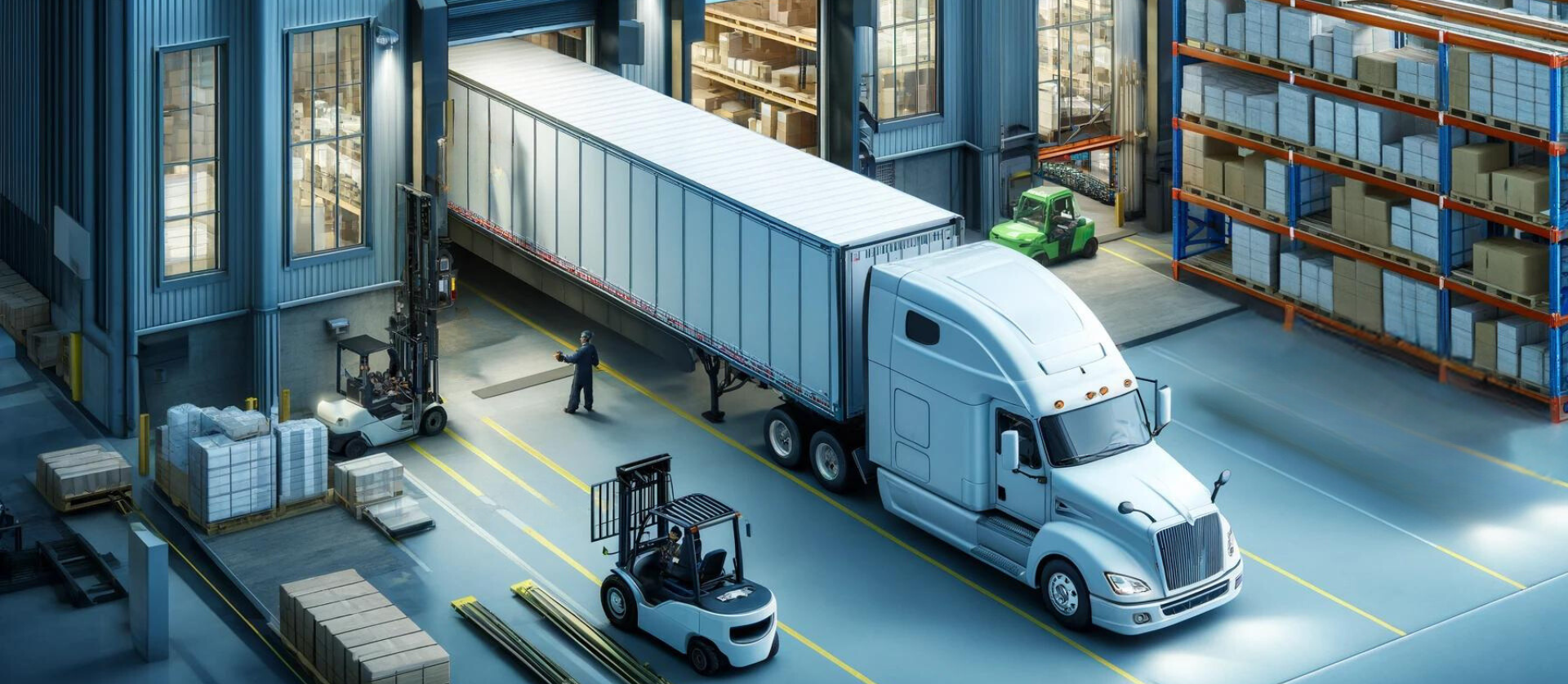
Full Truckload (FTL) shipping refers to the use of an entire truck to transport goods from one location to another. This option is ideal for shipments that occupy the full capacity of the truck, ensuring that the goods are moved directly from the origin to the destination without any stops for other freight.
FTL logistics is often chosen for large shipments that require fast, secure, and direct delivery. Since the truck is dedicated to a single shipper, the cargo moves without interruptions, minimizing delays and reducing the chances of damage during transit. For businesses with high-volume shipments, full truckload transport is a straightforward and efficient solution.
Benefits of Full Truckload Shipping
- Faster Transit Time: Since full truckload shipping doesn’t involve sharing the truck with other shipments, it typically offers faster transit times. This is especially beneficial for time-sensitive deliveries where speed is a priority.
- Better Security: With no other freight sharing the truck, there’s less risk of theft or damage. The cargo is handled only once, reducing the chance of mishandling.
- Cost-Effective for Large Shipments: For large shipments that require the entire truck, FTL logistics often proves to be more cost-effective than paying for partial truckload space.
What Is Less-Than-Truckload Shipping (LTL)?
On the other hand, LTL freight shipping involves sharing a truck with other shippers. Since your freight doesn’t fill the entire truck, you only pay for the portion of the truck that you use. This makes it an ideal solution for businesses that have smaller shipments and are looking for a cost-effective option.
While LTL freight shipping offers significant cost savings, it may result in longer transit times due to multiple stops along the route as the truck picks up and drops off other shipments. This method allows businesses to ship smaller loads without the need for a full truck, but it comes with the trade-off of potentially longer delivery times.
Benefits of LTL Freight Shipping
- Cost Savings for Smaller Shipments: LTL freight shipping is the most cost-effective option for businesses with smaller shipments that don’t require an entire truck. Since you share the truck with other shippers, you pay only for the space your goods occupy.
- Environmental Impact: By consolidating shipments with other companies, LTL freight shipping helps reduce the number of trucks on the road, contributing to a lower carbon footprint and reducing fuel consumption.
- Flexibility: LTL freight solutions provide businesses with the ability to scale up or down without committing to a full truckload. It’s ideal for companies that need to ship smaller quantities of goods on a regular basis.
Choosing Between FTL and LTL: What’s Right for Your Business?
When deciding between full truckload shipping and LTL freight solutions, businesses need to consider the size, urgency, and cost of their shipment.
- Full truckload shipping is ideal for large shipments that need to be delivered quickly and securely. It’s the best option when you have enough goods to fill the entire truck and need a direct, non-stop delivery.
- LTL freight shipping is best for smaller shipments that don’t justify the cost of a full truck. It offers an affordable solution for businesses with less frequent or smaller shipments, but with the trade-off of potentially longer transit times.
How RWI Logistics Helps You Choose the Right Freight Option
At RWI Logistics, we provide customized freight solutions to ensure every shipment is optimized for cost, speed, and reliability. Whether you need FTL logistics for large, time-sensitive shipments or LTL freight shipping for smaller, more frequent shipments, we have the right solution for you.
Our customized freight management services ensure that your shipments are handled efficiently, and we use advanced tracking technology to provide full visibility at every stage of transit. From pick-up to delivery, we make sure your freight reaches its destination safely and on time.
Conclusion
Choosing between FTL logistics and LTL freight shipping depends on the size of your shipment, how quickly it needs to arrive, and what your budget looks like. Both options have their unique advantages, and the key is understanding which one best fits your business needs. Whether you’re looking for the speed and security of full truckload shipping or the affordability of LTL freight solutions, RWI Logistics is here to help.
We offer tailored solutions to help businesses save on shipping costs while ensuring reliable, timely deliveries. If you’re unsure which option is right for you, our team at RWI Logistics can help you assess your needs and make the best choice.
To learn more about our full truckload shipping options, visit our FTL Services. For more information on LTL freight shipping, check out our LTL Services. To explore our customized freight management solutions, visit Customized Freight Management.