Skip to Content

Category Archives: News and Event

FTL Logistics: Tried and True

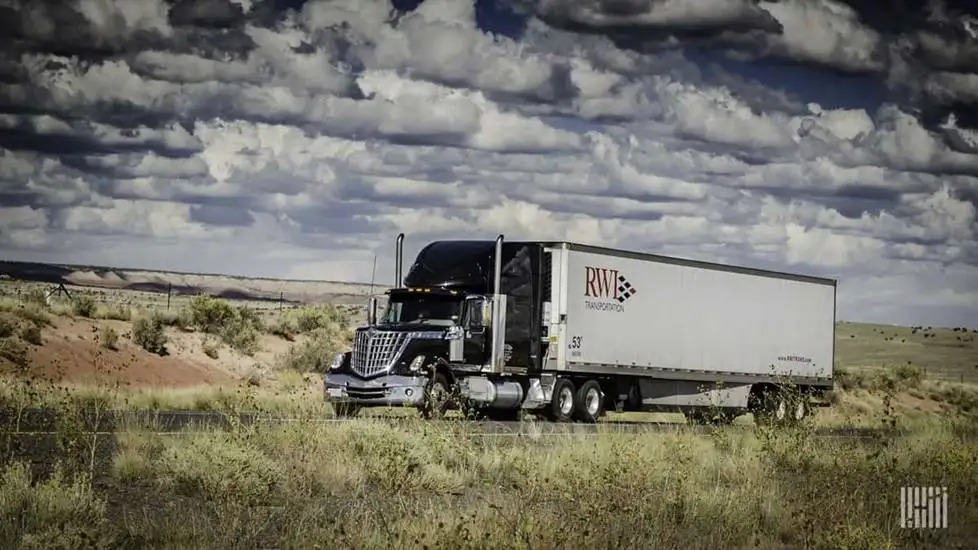
In the ever-evolving world of logistics, the quest for efficiency and cost-effectiveness drives many businesses to explore various shipping methods. However, Full Truckload (FTL) logistics continues to stand out as a powerful solution for transporting large volumes of goods. Did you know that FTL logistics can reduce transit times by up to 40% compared to other shipping methods? Or that it minimizes the risk of damage by ensuring your cargo remains untouched throughout the journey? These interesting facts highlight why FTL logistics remains a classic, tried and true, freight mode.

Advancements in FTL Logistics

Full Truckload (FTL) logistics has witnessed remarkable advancements over the years, driven by technology and industry trends. Let’s delve into some key developments:

  • Data Analytics and Route Optimization: Data analytics and visibility tools like MacroPoint, Trucker Tools, DAT, and Carrier411 provide real-time tracking of freight, accurate FTL quotes, better route optimization, and HOS (Hours of Service) monitoring.
  • E-commerce and Last-Mile Delivery: The e-commerce boom has reshaped FTL logistics, emphasizing last-mile delivery services.
  • GPS Tracking: Real-time GPS tracking has revolutionized FTL logistics. GPS-enabled devices can aid in monitoring shipments, ensuring precise location information, improving security, and making efficient route adjustments.
  • API Integration: Application Programming Interfaces (APIs) play a crucial role in FTL logistics. APIs facilitate seamless communication, automate booking processes, and enhance visibility across the supply chain.
  • Automated Trucking: FTL companies are embracing automation. While this is still a relatively new innovation, this promises enhanced safety, cost control, and efficiency improvements.
  • Sustainability and Green Initiatives: The industry is increasingly committed to environmental responsibility. FTL companies optimize routes to reduce fuel consumption and explore alternative fuels. Sustainability is at the heart of operational models, reducing carbon footprints.

FTL logistics continues to evolve, integrating technology, sustainability, and customer-centric solutions to drive efficiency and reliability in freight transportation.

Classic for a Reason

When something is deemed “classic,” it carries a weight of tradition, endurance, and proven excellence. Whether it’s a timeless novel, a vintage car, or a beloved film, the label “classic” implies that it has stood the test of time and continues to resonate with people across generations. But why do these classics endure? The answer lies in their inherent quality, reliability, and the way they address fundamental needs. FTL logistics is a perfect example of a classic shipping mode, and there are many reasons it deserves its enduring status:

  • Large Shipments: FTL logistics is most cost-effective when shipping large quantities of goods. If your shipment can fill an entire truck, FTL is usually the best option, providing better rates per unit of cargo compared to LTL shipping.
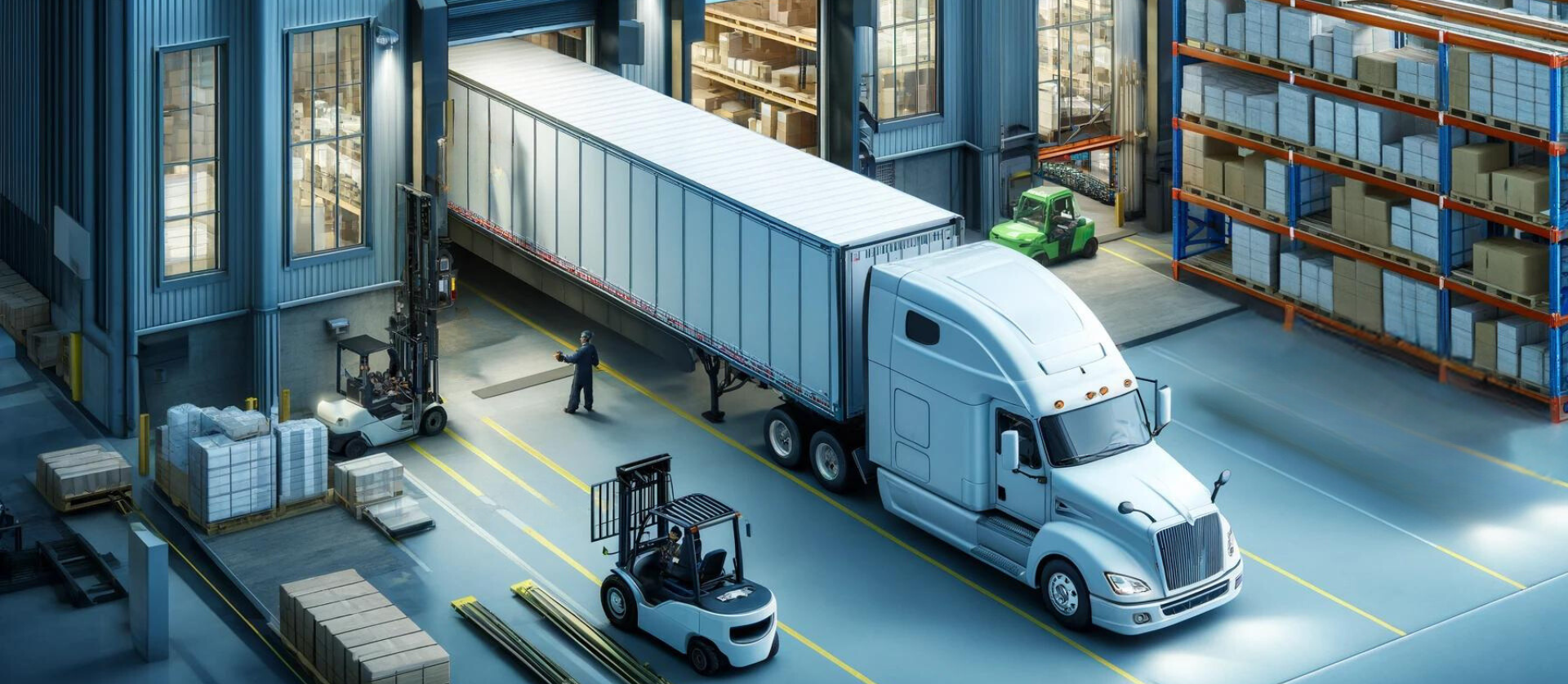
  • Fragile or High-Value Goods: When transporting delicate or high-value items, FTL logistics minimizes the risk of damage. Since the goods remain on the same truck from start to finish, there is no need for multiple loading and unloading processes, which can often lead to damage.
  • Refrigerated Products: FTL Logistics can also protect refrigerated products, specifically produce, by ensuring that the truck is running at exactly the temperature your goods need. When you occupy the entire space of a truck, you can guarantee there won’t be any cross-contamination of your products with another company’s products.
  • Time-Sensitive Deliveries: FTL logistics offers faster transit times because the truck travels directly from the pickup location to the delivery destination. This direct route is particularly beneficial for time-sensitive shipments, ensuring that goods arrive on schedule.


Conclusion

FTL logistics offers numerous benefits for businesses, including speed, efficiency, reduced risk of damage, and cost-effectiveness for large shipments. By understanding the advantages of FTL logistics and leveraging the strategic benefits of partnering with great Kentucky logistics service providers, businesses can enhance their supply chain operations and maintain a competitive edge in the market. Whether you’re dealing with time-sensitive deliveries or large volumes of goods, FTL logistics provides a reliable and efficient solution for your transportation needs.

Partner with experienced Northern Kentucky logistics service provider, RWI Logistics, to further streamline your FTL logistics operations, ensure that your goods reach their destination safely and on time. Embrace the power of FTL logistics and see how it can transform your business operations today!
0 Continue Reading →

Drop Trailer Logistics: What is it and how can it improve your business?

In the logistics industry, businesses are constantly seeking innovative strategies to streamline operations and reduce costs. One strategy that has gained significant traction is drop trailer logistics. As a leading freight service provider, RWI Logistics is at the forefront of implementing this strategy to help businesses achieve operational efficiency and cost reduction.

What is Drop Trailer Logistics?

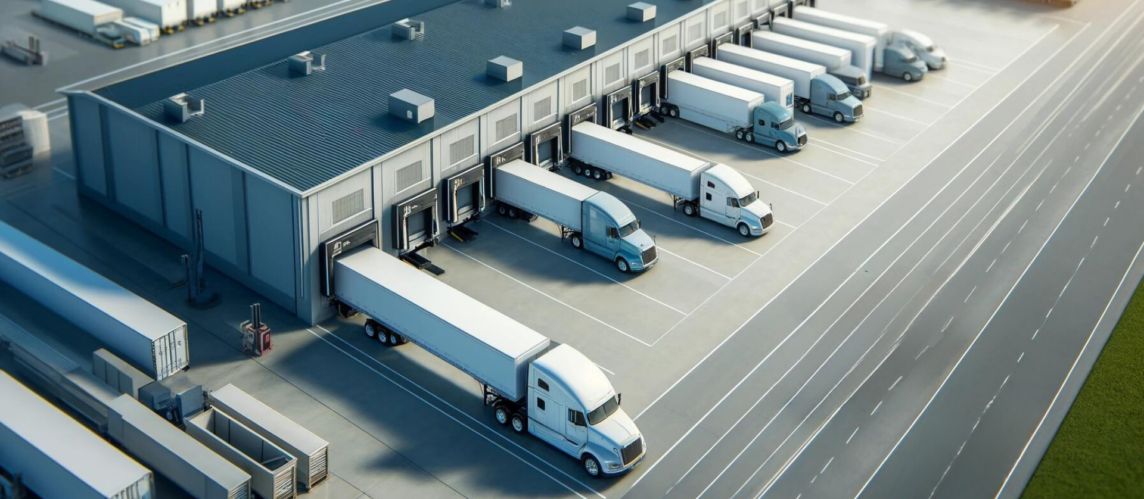
Drop trailer logistics is a method where a trailer full of freight is dropped off at a shipper’s or receiver’s location and left there for a while. This allows the shipper or receiver to load or unload the trailer at their convenience, without the pressure of a driver waiting. Once the trailer is ready, it is picked up by a driver and transported to its destination. This system bypasses the traditional method of live loading and unloading, which can be time-consuming and less efficient.

This method is becoming increasingly popular among businesses seeking to enhance their operational efficiency and reduce costs. Drop trailer logistics offers several advantages over traditional live loading and unloading. It provides flexibility in scheduling, reduces detention time, and can significantly improve the efficiency of warehouse operations. As a freight service provider, RWI Logistics has seen firsthand how drop trailer logistics can transform a business’s operations.

Why Should My Business Consider Drop Trailer Logistics?

Drop trailers can significantly reduce loading and unloading times as they allow for pre-loading and unloading at the shipper’s convenience. By reducing wait times and streamlining the loading process, drop trailers can lower labor costs and reduce demurrage charges. Additionally, the increased efficiency can lead to better asset utilization, as trailers aren’t sitting idle during loading and unloading. This leads to a smoother flow of goods and can help businesses avoid the delays associated with live loading.

Drop trailer logistics provides businesses with greater flexibility in scheduling, as trailers can be loaded and unloaded when it is most convenient, rather than coordinating with the availability of drivers. This scalability is particularly beneficial during peak seasons or when facing unexpected demand. 

By eliminating the need for drivers to wait while loading or unloading, you can reduce detention time and associated costs. This also allows you to better utilize your drivers’ time, leading to increased productivity. Drivers spending less time waiting to be loaded and unloaded can lead to increased job satisfaction and better carrier relationships.

Modern technology plays a crucial role in the effective implementation of drop trailer logistics. Real-time tracking and inventory management systems are essential for monitoring trailer locations and contents, ensuring that trailers are utilized efficiently and reducing the risk of lost or delayed shipments.

How Can My Business Utilize Drop Trailer Logistics?

Integrating drop trailer logistics into your operations requires careful planning and coordination with your freight service provider. The first step is to assess your current operations and identify areas where drop trailer logistics could be beneficial. This could be a warehouse that frequently experiences delays in loading or unloading, or a shipping location that has limited dock space.

Once these areas are identified, the next step is to work with your freight service provider to develop a drop trailer program. This involves determining the number of trailers needed, the schedule for dropping off and picking up trailers, and the procedures for loading and unloading.

Conclusion

Drop trailer logistics is a powerful strategy that can help businesses improve operational efficiency and reduce costs. By understanding the system, partnering with the right logistics providers, and utilizing modern technology, businesses can reap the benefits of this innovative approach to supply chain management. As a leading freight service provider, RWI Logistics is committed to helping our clients leverage this strategy to achieve their business goals.

If you’re ready to explore how drop trailer logistics can benefit your business, we invite you to contact RWI Logistics. Our team of logistics experts is ready to work with you to develop a customized drop trailer program that meets your unique needs. Let us help you take your logistics operations to the next level.

1 Continue Reading →

DOT Blitz Week 2024

What is DOT Blitz Week?

The Commercial Vehicle Safety Alliance’s (CVSA) International Roadcheck (also known as Blitz Week) is an annual audit of motor carriers and truck drivers across the United States, Mexico, and Canada. This audit occurs each year around May/June and lasts approximately 3 days. The goal of the CVSA’s Blitz Week is to encourage adherence to government commercial vehicle regulations and to promote safety for drivers, pedestrians, and shipments. 

Each year, the CVSA chooses a focus to target when administering these checks. In addition to focus areas, drivers should anticipate general equipment maintenance inspections of lights, braking systems, hours of service (HOS) logs, and permits. Data from the 72 hours of International Roadcheck will be collected, and the results will be released this summer.

When is it in 2024?

This year, blitz week will begin the morning of May 14th and end the evening of May 16th. The focus of this year’s International Roadcheck (Blitz Week) will be on tractor protection systems, anti-bleed back systems, and controlled substance/alcohol possession.

Focus #1: Tractor Protection & Anti-Bleed Back Systems 

Why this area of focus? Commercial motor vehicle tractor protection systems consist of a tractor protection valve, trailer supply valve, and an anti-bleed back valve. All valves should be properly tested during a driver’s initial trip inspection and during an inspector’s roadside inspection.

During the inspection, the inspector will:

  • Ensure wheel chocks are still in place & have the driver release all brakes by pressing dash valves.
  • Have the driver carefully remove the gladhands & allow air to escape.
  • Ensure the air stops leaking from the supply line with at least 20 psi remaining.
  • Listen and/or feel for any leaking air at the gladhand couplers on the trailer.
  • Request a full-service brake application from the driver.
  • Listen and/or feel for leaks from both airlines.

Focus #2: Controlled Substances & Alcohol Possession

Why this area of focus? Controlled substance and alcohol possession by commercial motor vehicle drivers is a significant concern. The number of prohibited drivers in the U.S. Drug and Alcohol Clearinghouse (DACH) is increasing, and this alarming trend poses a threat to all motorists on our roadways.

While checking for the presence of alcohol or controlled substances during an inspection, inspectors will:

  • Observe the driver for signs of alcohol or controlled substance use and/or impairment.
  • Examine the cab and trailer for alcohol or controlled substances.
  • Conduct a query in the DACH (for inspections in the U.S.)

How will Blitz Week affect your business?

How likely is my truck to be stopped?

CVSA-certified law enforcement personnel will inspect commercial motor vehicles and drivers at weigh/inspection stations, temporary sites, and mobile patrols to verify compliance with federal, state, provincial, or territorial regulations. Historically, law enforcement has been able to pull over and assess 15 semi-trucks every minute during blitz week.

How long does a typical DOT stop take?

Over the three days of International Roadcheck, inspectors will conduct their routine North American Standard Level I Inspection, which is a thorough 37-step inspection procedure consisting of the examination of vehicle components and driver documentation and requirements.

What happens if a truck is found non-compliant?

If a driver is found to be violating any of the regulatory mandates they are being audited for, the driver and any freight they are hauling must halt until their violation is amended. This may include fixing or replacing vehicle parts, resting until their hours of service (HOS) clock resets, or acquiring proper documentation and permits.

Secondly, a driver found in violation of one regulation will be subject an immediate examination for further violations. A single violation, such as missing bolts, may be an indicator of additional issues affecting the health of the vehicle and/or the safety practices of the carrier.

Drivers who are found to be non-compliant are given an out-of-service (OOS) violation. OOS violations directly impact each motor carrier’s compliance, safety, and accountability (CSA) scores, a scale indicating their overall safety. 

In 2023, 19% of the vehicles inspected had at least one out-of-service (OOS) violation. As a result, 11,270 commercial motor vehicles were removed from roadways until the out-of-service (OOS) violations were corrected. There were 17,479 vehicle out-of-service violations in total.

What can your business do to minimize risk?

Partner with reliable logistics solutions provider RWI Logistics to guarantee your freight remains uninterrupted this Blitz Week. At RWI Logistics, our dedicated team of specialists is available 24/7 to find you the right truck at the right time for the right price. Let RWI help simplify your supply chain this Blitz Week!

0 Continue Reading →

Initial Effects of the Baltimore Bridge Collapse

In a sudden and catastrophic event, the Francis Scott Key Bridge in Baltimore collapsed after a collision with a cargo ship. The impact reverberated through supply chains, leaving businesses scrambling to mitigate the damage to their bottom lines. Let’s delve into the current and long-term effects of this bridge collapse on freight transportation services and logistics solution companies.

Impact on Supply Chains

Impact on Supply Chains

The collapse of the Francis Scott Key Bridge in Baltimore has had far-reaching consequences for supply chains. Debris blocking the Patapsco River halted the flow of goods in and out of the Port of Baltimore. Known for its depth, the Port of Baltimore boasts five public and 12 private terminals.

Engineers are working tirelessly to restore navigation. They plan to open a limited access channel within the next four weeks. This channel will facilitate one-way traffic for barge container service and certain vessels transporting automobiles and farm equipment.

However, the impact extends beyond the bridge itself. Here are some of the current challenges:

  • Shipping Delays and Rerouted Routes:
      • The bridge collapse has disrupted trucking routes, leading to shipping delays. Trucks that previously relied on the bridge now need to take alternative paths, resulting in longer transit times.
      • Increased traffic congestion and additional costs are major challenges for businesses that depend on timely deliveries. Shippers are grappling with operational setbacks as they adjust to the new routes.
  • Financial Impact:
      • The American Trucking Association estimates that approximately 4,900 trucks per day used the Francis Scott Key Bridge. These trucks collectively carry an annual average of $28 billion worth of goods.
      • With the bridge out of commission, these trucks now require alternative routes, which translates to increased fuel costs, wear and tear on vehicles, and additional labor expenses. Shippers and consumers bear the financial burden of these rerouted shipments.
  • Impact on Nearby Ports:
      • While Baltimore’s Port is directly affected, other East Coast ports, including Norfolk, Philadelphia, and New York, are likely to absorb some of the cargo traffic.
      • However, this sudden influx of volume may strain operations at these alternative ports. They’ll need to handle additional shipments efficiently to prevent bottlenecks and delays.
  • Hazmat Challenges:
      • The collapsed section of I-695, which includes the bridge, is the sole hazmat-approved route in the area. This means that shipments requiring hazardous materials transport face significant diversions.
      • Shippers dealing with hazardous goods must now navigate longer routes, impacting delivery schedules and posing safety concerns.

Impact on Commodities

Hazmat Challenges

  • Forest Products: The Port of Baltimore is a major hub for forest products. Companies relying on timber, paper, and other wood-based goods face disruptions. These commodities are essential for construction, packaging, and manufacturing.
  • Farm Equipment: Baltimore’s port serves as a gateway for farm equipment imports and exports. The bridge closure disrupts the flow of tractors, harvesters, and other agricultural machinery, and farmers and dealers may experience delays in receiving or shipping equipment.
  • Sugar: Sugar is another significant commodity handled by the Port of Baltimore. The bridge collapse impacts sugar imports and exports, affecting food manufacturers, bakeries, and confectionery producers.
  • Automobiles: Baltimore is the top U.S. port for autos. The collapse directly affects automobile imports and exports. Car manufacturers, dealerships, and consumers may face delays due to rerouted shipping routes.
  • Base Metals: The bridge collapse potentially disrupts container ships carrying base metals. Industries relying on nickel and aluminum, such as construction and manufacturing, may experience supply chain interruptions.
  • Metallurgical Coal: Dry bulk carriers transporting metallurgical coal through the Maryland port could be impacted. Steel mills and other metallurgical coal industries may face delays or cost increases.
  • Other Goods: While forest products, farm equipment, sugar, and automobiles are most directly affected, other goods passing through Baltimore’s port may also experience disruptions. Warehousing, transshipment, and distribution centers across the Mid-Atlantic region may encounter challenges.

Partner with RWI Logistics

Logo

To mitigate these issues and ensure smoother supply chain operations, consider partnering with RWI Logistics. As a solution-oriented and data-driven logistics service provider, RWI specializes in refrigerated freight transportation services.

Here’s why you should choose RWI:

  • Routing and Load Planning: RWI Logistics employs strategic routing and load planning techniques to optimize transportation routes, minimize transit times, and enhance overall efficiency. Whether coordinating complex multi-stop deliveries or ensuring timely pickups, RWI’s expertise ensures smooth operations throughout the supply chain.
  • Temperature-Controlled Expertise: RWI Logistics stands out as a top-tier expert in refrigerated freight logistics. Whether it’s full truckload (FTL) or less-than-truckload (LTL) shipments, RWI ensures seamless transportation for perishable goods. Their temperature-controlled expertise extends to handling delicate cargo, maintaining precise conditions throughout the journey.
  • Customized Solutions: RWI goes beyond the ordinary by offering customized freight management and business intelligence services. Their innovative approach optimizes shipping networks, leveraging visualizations and analytics. Whether it’s route optimization or load planning, RWI tailors solutions to meet the unique needs of each customer.
  • Intelligence for Your Supply Chain: RWI Logistics doesn’t just move goods; they bring intelligence to your supply chain. By harnessing best-in-class technology, implementing robust process standardization, and fostering a culture of continuous improvement, RWI delivers customer-driven insights. These insights empower businesses to make informed decisions and navigate the complexities of modern logistics.

In the wake of the Baltimore bridge collapse, let’s work together to overcome supply chain challenges. For reliable freight transportation services, reach out to trusted logistics solution companies, like RWI Logistics. You can contact RWI Logistics by calling (877) 676-8545 or emailing [email protected].

0 Continue Reading →

Innovations Reshaping Refrigerated Freight Shipping

The refrigerated freight shipping industry has undergone significant changes lately, sparked by new technology and innovations. These improvements not only enhance the efficiency and reliability of transporting perishable goods but also contribute to a more sustainable and cost-effective supply chain. Let’s dive into some recent innovations shaping the future of refrigerated freight!

Advanced Telematics Systems

Advanced Telematics SystemsSafeguarding temperature-sensitive goods is an ongoing priority, and recent advancements in telematics systems are at the forefront of this endeavor. These new systems utilize IoT (Internet of Things) sensors along with GPS data, and onboard diagnostics to capture and send real-time insights directly to end users. 

How Can Telematics Improve Your Freight? 

Onboard Device Capabilities:

  • Real-time Tracking: Telematics enables real-time tracking of vehicles and shipments, providing accurate location information to shippers and customers. This improves visibility throughout the supply chain, enabling better planning and scheduling of deliveries.
  • Driver Behavior Monitoring: Telematics devices can monitor driver behavior, including speed, braking, and acceleration patterns. By analyzing this data, companies can identify unsafe driving practices and provide training to improve driver safety and reduce accidents.
  • Temperature Monitoring: For refrigerated or temperature-sensitive shipments, telematics systems provide real-time monitoring of temperature and humidity levels inside cargo compartments. This ensures that perishable goods remain within the desired temperature range throughout transit, reducing the risk of spoilage and preserving product quality.


Benefits of Telematics:

  • Environmental Impact: Telematics technology can support sustainability initiatives by monitoring vehicle emissions, optimizing routes to reduce carbon footprint, and promoting eco-friendly driving practices. By minimizing environmental impact, companies can demonstrate their commitment to corporate social responsibility and environmental stewardship.
  • Fuel Efficiency: Telematics technology tracks fuel consumption and identifies opportunities to improve fuel efficiency. By monitoring factors such as engine idling, route efficiency, and driver behavior, companies can implement strategies to reduce fuel consumption and lower operating costs.
  • Route Optimization: Telematics systems analyze traffic patterns, road conditions, and weather forecasts to optimize routes. By selecting the most efficient paths, companies can reduce fuel consumption, minimize delivery times, and improve overall fleet productivity. 

Autonomous Refrigerated Vehicles

Autonomous Refrigerated Vehicles

In the ever-evolving world of logistics, autonomous vehicles (AVs) stand out as a game-changer, offering a myriad of benefits that enhance safety, efficiency, and cost-effectiveness.

Benefits of Autonomous Vehicles for Refrigerated Freight Shipping:

  • Enhanced Safety: Autonomous vehicles significantly reduce accidents caused by human error. By consistently following traffic rules and avoiding distractions, AVs mitigate the risk of collisions. Moreover, they minimize the potential for fatigue-related accidents, as they do not tire or lose focus during long journeys.
  • Improved Traffic Flow: AVs communicate seamlessly with each other and traffic management systems, leading to smoother traffic flow. This enhanced coordination results in reduced congestion, ultimately translating to less time spent on the road. The reduction in traffic congestion not only benefits the environment but also enhances overall transportation efficiency.
  • Cost Savings: The adoption of AVs promises substantial cost savings for businesses. With the potential to cut travel time by up to 40% and recover up to 80 billion hours lost to commuting and congestion, AVs offer significant economic advantages. Additionally, AVs can reduce fuel consumption by up to 40%, resulting in considerable savings for operators. These cost-saving benefits are projected to be worth about $1.3 trillion in the United States alone.
  • Efficiency: In the realm of refrigerated freight shipping, AVs play a vital role in ensuring the efficient delivery of goods. Refrigerated AVs maintain consistent temperatures during transit, safeguarding the quality and safety of perishable goods. Furthermore, their ability to operate 24/7 reduces delivery times and enhances supply chain efficiency.

Solar-Powered Refrigeration Units

Solar-Powered Refrigeration Units

In the dynamic realm of logistics, solar-powered refrigeration units emerge as a transformative solution, offering a host of advantages that amplify sustainability, operational efficiency, and cost-effectiveness.

Benefits of Solar-Powered Refrigeration Units in Logistics:

  • Environmental Sustainability: Solar-powered refrigeration units represent a significant step towards environmental sustainability in logistics. By harnessing the power of the sun, these units drastically reduce dependency on traditional energy sources, thereby minimizing carbon emissions and mitigating the environmental impact of freight transportation.
  • Operational Efficiency: Solar-powered refrigeration units streamline Kentucky logistics operations by providing a reliable and sustainable power source. Their ability to operate autonomously and continuously, powered by renewable energy, ensures uninterrupted refrigeration throughout the transportation process. This operational efficiency translates into improved supply chain reliability and reduced downtime.
  • Cost Savings: The adoption of solar-powered refrigeration units presents compelling economic benefits for Kentucky logistics companies. By leveraging renewable energy sources, businesses can significantly reduce operational costs associated with fuel consumption and energy bills. Moreover, solar-powered units require minimal maintenance, leading to long-term cost savings and enhanced profitability.
  • Temperature Control and Cargo Integrity: In the domain of refrigerated freight shipping, maintaining precise temperature control is paramount to preserving product quality and safety. Solar-powered refrigeration units excel in this aspect, ensuring consistent and optimal temperatures for perishable cargo. This reliability safeguards the integrity of goods throughout the supply chain, minimizing the risk of spoilage and maximizing customer satisfaction.


Costs and Risks

Is the Overall Cost Worth the Investment?

This pivotal question drives decision-making. The potential of innovations in refrigerated freight shipping to revolutionize the Kentucky logistics industry is undeniable. However, the initial investment required can be substantial, especially for small-scale producers and distributors. As companies consider adopting new software, processes, or technology, they must weigh the costs against the long-term benefits.

  • In-House Tech vs. Outsourcing: Choosing between developing in-house technology and outsourcing logistics solutions involves trade-offs. In-house solutions allow for customization and control but require significant resources. Outsourcing, on the other hand, leverages external expertise, reducing the burden on internal teams. By partnering with a seasoned Kentucky logistics provider like RWI Logistics, companies can strike a balance. RWI offers tailored solutions, minimizing upfront costs while maximizing efficiency.
  • Cutting Down on Direct Overhead: Working with an external resource—such as RWI Logistics—can significantly impact direct overhead costs. Instead of investing in licenses, training, and infrastructure, companies can tap into RWI’s existing capabilities. This approach frees up resources, allowing businesses to focus on core competencies. Moreover, RWI’s expertise ensures a smooth transition, minimizing disruptions.
  • Scaling Up and Training: As companies grow, so do their logistical needs. Scaling up requires careful planning. With RWI Logistics, scalability becomes manageable. Their solutions adapt to changing demands, and their experienced team provides ongoing support. Rather than burdening internal staff with extensive training, RWI handles the intricacies, allowing employees to focus on strategic initiatives.


The Ideal Partnership: RWI Logistics

RWI LogisticsRWI Logistics, headquartered in Fort Thomas, Kentucky, offers more than just Kentucky logistics services—it provides a strategic partnership. By collaborating with RWI, companies gain access to industry insights, cost-effective solutions, and seamless implementation. Reach out to RWI Logistics at [email protected] to explore how innovation can transform your supply chain.

Remember, the true value lies not only in the cost but in the lasting impact these innovations can have on your business. Let’s chat about innovating your supply chain with RWI Logistics!

0 Continue Reading →

4 Ways to Overcome Challenges in Today’s Logistics Industry

Being a business owner, you’re undoubtedly aware of the complexities inherent in logistics management. It’s a multifaceted process encompassing shipping, delivery, and inventory management, each aspect posing its own unique challenges. These tasks can quickly become daunting—not to mention the potential for escalated costs if not managed efficiently.

The good news is that you’re not alone in navigating these logistical intricacies. Partnering with reliable logistics transportation companies like RWI Logistics can help you effectively overcome these hurdles. These industry experts bring extensive experience and in-depth knowledge to the table, proposing tailored solutions that address your specific pain points. With their assistance, you can overcome four of the main challenges in today’s logistics landscape: 

Challenge #1: Improving all aspects of communication

Real-time communication is vital in solving a long list of logistics issues. At RWI Logistics, we have an online platform that provides real-time operations and clear visibility, enhanced with smart data analysis. This powerful combination gives our customers a strong competitive edge, helping to save costs and improve services.

The all-in-one platform has a robust data storage and analysis feature, allowing us to understand our customers’ business trends clearly. We also provide our customers with a web-based app designed as a toolkit of solutions, including a customizable web portal. This allows managing customers, vendors, and carriers from one central place. The market intelligence feature lets customers quickly review their current transport network and gather market insights in a rapidly changing transport market. 

Challenge #2: Finding ways to improve your delivery service while reducing transportation costs

The increasing cost of fleet maintenance will remain a significant financial concern for the foreseeable future. Consider setting up micro-fulfillment centers close to targeted customer areas and adopting cross-docking practices. Closely timing inbound and outbound deliveries can reduce cargo transition time and eliminate storage costs at ports and commercial transfer hubs.

Ultimately, the focus should be on cutting operational expenses. This starts with setting a goal aimed at cost reduction. Conduct an audit of your operations to identify the most suitable strategies for reducing costs and work with logistics transportation companies for advice.

Challenge #3: Setting the same standards for partners and suppliers

Do you routinely arrange multiple deliveries with various supply chain managers? This can cause confusion when different managers follow different standards. Logistics procedures become more unified and efficient when all services adhere to the same standards for loading and unloading. Achieving such coordination requires enhancing supply chain visibility for all involved parties via interconnected digital networks and intelligent technology.

Challenge #4. Investing in the right  technologies

Thanks to cloud technology, firms can now maximize efficiency while reducing technology expenditure. Cloud services present the most affordable solutions for businesses operating on tight budgets. Warehouses seeking greater adaptability, scalability, or expertise should think about collaborating with logistics industry specialists.

For those companies looking to establish state-of-the-art logistics systems leveraging AI, robots, and automation, outsourcing to third-party logistics (3PL) firms could be a viable option. This approach allows for efficient goods transportation across various markets. The rising use of 3PLs has expedited logistics and supply chain communication, resulting in more dependable deliveries and heightened customer satisfaction. In fact, the US 3PL market’s revenue is expected to reach US$287.30 billion in 2023.

Conclusion

Understanding these four key challenges in today’s logistics landscape is the first step to overcoming them. At RWI Logistics, you can find the logistics company services you need for continuous improvement, process standardization, and best-in-class technologies to enhance your supply chain. 

1 Continue Reading →

Minimizing the Seasonal Impact of the Fresh Produce Sector: A Guide for Shippers of All Types

The harvest season can be a busy and demanding time for farmers and logistics companies that need to quickly transport fresh fruits and vegetables from the fields to markets, food processors, and manufacturers. This rush for fast and reliable transport often leads to increased shipping rates and potential supply chain disruptions. If your business relies on refrigerated transport, understanding the seasonal trends of the shipping industry can help reduce costs and prevent unforeseen issues.

It’s important to note that regardless of whether your business directly deals with fresh produce or not, it may still be impacted by the limited availability of trucks and trailers during this peak period. This issue can affect your product distribution efficiency nationwide, potentially leading to delays and customer dissatisfaction.

Understanding produce season

Transporting fresh produce is a race against time, causing a surge in demand for refrigerated LTL carriers. During the produce season, carriers tend to focus on areas where fresh fruits and vegetables may need hauling. This leads to a spike in delivery rates due to increased demand, as well as a shortage of capacity in other areas.


The need for additional trailers and trucks to distribute products nationwide rises sharply during the spring and summer harvest season, also affecting the availability of dry vans. This situation results in scheduling difficulties and increased shipping costs for other shippers—particularly those requiring refrigerated transport services. Refrigerated trailers, or “reefers,” can become hard to book, especially without the right brokers or carriers.

Ways to reduce the impact of harvest season on your logistics

The fresh produce industry begins ramping up its operations in May, with activity often continuing throughout spring and summer. If you are a shipper, you might want to plan way ahead and partner with a reliable logistics provider that can help you save on shipments while ensuring timely deliveries. Prices tend to rise during peak harvest months, so it’s advisable to prearrange rates and capacities to avoid seasonal challenges.

Staying informed about the latest harvest schedules and actively exploring methods to maintain a carrier-friendly business can also prove beneficial. If your business model allows, you might consider using intermodal transport to boost capacity. You can also opt for refrigerated trailers instead of dry vans, as long as these options meet your freight weight specifications. By adopting these strategies, you can achieve cost savings without compromising on transport capacity, thereby maintaining the efficiency of your logistics operations.

You can rely on RWI Logistics 

If you’re a shipper looking to overcome the impact of fresh produce season, it’s time to partner up with RWI Logistics.

Our solutions-oriented logistics company can introduce process standardization and the latest technologies to make your supply chain smarter and more efficient, even during the produce season. RWI Logistics is also among the trusted refrigerated LTL carriers specializing in dry full truckload transport services, with a dependable carrier network and round-the-clock support.  

1 Continue Reading →

Landec Enters into Transportation Management, Warehousing, and Transportation Services Agreement with Castellini Company LLC

A continuation of Project SWIFT, Agreement seeks to improve Curation Foods’ market reach while further simplifying operations, including facility rationalization

SANTA MARIA, Calif., May 05, 2021 (GLOBE NEWSWIRE) — Landec Corporation (Nasdaq: LNDC), a diversified health and wellness company with two operating businesses, Lifecore Biomedical, Inc. and Curation Foods, Inc., today announced that it has entered into a transportation management, warehousing, and transportation services agreement with Castellini Company LLC to outsource Curation Foods’ fresh packaged salads and vegetables logistics management, including transportation, warehousing and distribution.

Dr. Albert Bolles, Landec’s Chief Executive Officer, stated, “Project SWIFT continues to guide our business simplification process as we work to streamline our business, drive profitability and enhance stockholder value. Through our review of all facets of Curation Foods’ operations, it was clear that we would benefit from engaging with a strategic logistics partner to increase our distribution reach into markets that we do not currently serve, improve efficiency by increased distribution frequency in existing markets and reduce our overall operating costs, thereby bringing greater value to our stockholders. To that end, we are excited to announce a strategic partnership with Castellini – a leading logistics management company – to help us seek to achieve these goals.”

Under the terms of the agreement, Castellini will oversee the management, contracting and pricing negotiations with freight carriers, perform dispatch services and freight carrier performance management for the Curation Foods business, which we expect will reduce logistics costs for that business. In connection with this arrangement, Landec will seek to further optimize its logistics network and streamline the Curation Foods’ business by seeking to sell its Rock Hill, South Carolina distribution facility, close its Vero Beach, Florida facility, transfer its Rock Tavern, New York facility to Castellini, and reduce overall Curation Foods’ employee headcount by 56, with a majority of those employees being offered positions with Castellini to service our account.

As a result of this arrangement, Landec expects to record approximately $3.0 million of restructuring costs, including approximately $2.0 million in non-cash expenses, in fiscal 2021 fourth quarter, associated with early lease termination expenses related to trucks and other equipment not being transferred to Castellini, employee severance costs and general integration costs. The cash impact of the restructuring costs is anticipated to be offset by net proceeds of approximately $1.0 million associated with the expected sale of the Company’s Rock Hill facility. As a result of this arrangement and the anticipated streamlining activities described herein, Landec expects to achieve annualized cost synergies of approximately $1.0 million in logistics operating expenses beginning in fiscal year 2022. In addition, we expect to pursue incremental revenue opportunities for Curation Foods by accessing new markets not currently served.

Tim Burgess, Curation Foods’ Senior Vice President, Supply Chain, stated, “We are excited to partner with Castellini, one of the largest fresh produce distributors in the United States. We believe that their logistics expertise, built over 125 years of operations, will provide Curation Foods with increased service levels, including almost daily deliveries in many markets, as well as deliveries into new markets that aren’t currently served by our existing distribution network. This results in fresher produce and salads for our existing customers, longer shelf life for our customers and supports our mission of expanding access to our fresh plant-based products.”

About Landec Corporation

Landec Corporation (NASDAQ: LNDC) is a leading innovator of diversified health and wellness solutions with two operating businesses: Curation Foods, Inc. and Lifecore Biomedical, Inc. Landec designs, develops, manufactures and sells products for the food and biopharmaceutical industry. Curation Foods is focused on innovating and distributing plant-based foods with 100% clean ingredients to retail, club and foodservice channels throughout North America. Curation Foods is able to maximize product freshness through its geographically dispersed family of growers, refrigerated supply chain and patented BreatheWay® packaging technology. Curation Foods brands include Eat Smart® fresh packaged vegetables and salads, O Olive Oil & Vinegar® premium artisan products and Yucatan® and Cabo Fresh® avocado products. Lifecore Biomedical is a fully integrated contract development and manufacturing organization (CDMO) that offers highly differentiated capabilities in the development, fill and finish of sterile injectable pharmaceutical products in syringes and vials. As a leading manufacturer of premium, injectable grade Hyaluronic Acid, Lifecore brings 35 years of expertise as a partner for global and emerging biopharmaceutical and biotechnology companies across multiple therapeutic categories to bring their innovations to market. For more information about the Company, visit Landec’s website at www.landec.com.

Important Cautions Regarding Forward-Looking Statements

This press release contains forward-looking statements regarding future events and our future results that are subject to the safe harbor created under the Private Securities Litigation Reform Act of 1995 and other safe harbors under the Securities Act of 1933 and the Securities Exchange Act of 1934. Words such as “anticipate”, “estimate”, “expect”, “project”, “plan”, “intend”, “believe”, “may”, “might”, “will”, “should”, “can have”, “likely” and similar expressions are used to identify forward-looking statements. All forward-looking statements involve certain risks and uncertainties that could cause actual results to differ materially, including such factors among others, as the timing and expenses associated with operations, the ability to achieve acceptance of the Company’s new products in the market place, weather conditions that can affect the supply and price of produce, government regulations affecting our business, the timing of regulatory approvals, the Company’s’ ability to recognize anticipated cost savings or synergies on the anticipated timeline, if at all, the Company’s ability to enact the anticipated goals related to Project SWIFT, including those described in this press release, uncertainties related to COVID-19 and the impact of our responses to it, the ability to successfully integrate Yucatan Foods into the Curation Foods business, and the mix between domestic and international sales. For additional information about factors that could cause actual results to differ materially from those described in the forward-looking statements, please refer to our filings with the Securities and Exchange Commission, including the risk factors contained in our most recent Quarterly Report on Form 10-Q and Annual Report on Form 10-K. Forward-looking statements represent management’s current expectations and are inherently uncertain. Except as required by law, we do not undertake any obligation to update forward-looking statements made by us to reflect subsequent events or circumstances.


Contact INformation
Investor Relations
Jeff Sonnek
(646) 277-1263
[email protected]

4 Continue Reading →

RWI Brings Refrigerated-Freight Expertise to DAT Pilot Program

PORTLAND, Ore. — DAT Solutions added RWI Logistics, a non-asset-based logistics provider that specializes in perishable goods solutions, to its early access program for new truckload rate forecasting and market intelligence tools.

RWI will pilot Market Conditions Index (MCI), a comprehensive and dynamic indicator of future changes in prices for van, refrigerated and flatbed freight. This measure of supply and demand incorporates inbound and outbound freight transactions, load board post and search behavior, and short-term and long-term trends to generate a view of past, present and future market conditions.

The pilot program also includes a new set rate forecasting tools that leverages the DAT RateView database of spot and contract rates, derived from 183 million freight matches and $68 billion in market transactions each year. The forecasts allow users to assess short-term market effects, seasonal impacts and long-term price trends, providing an unmatched market perspective from one day to one year in the future.

“As a specialist in temperature-controlled freight, it is essential for us to anticipate changes in the market so that we can provide client with the right capacity solution at precisely the right price,” said David Noone, RWI Executive Vice President and General Manager. “We’ve had a long-standing relationship with DAT, and as we have transformed as an organization, they have helped us in every step of the journey. This new collaboration allows us to take an innovative approach to drive value to our carriers, client, and team members.”

Both MCI and the new forecasting features will be available commercially in DAT RateView this spring, while MCI will also be an available as in the DAT Power load board.

“Refrigerated truckload freight can be a challenging application for rate forecasting and market intelligence, and we’re fortunate to have RWI, joining our early access program,” said Claude Pumilia, DAT Solutions CEO and President. “RWI will provide trusted insight as we build on the enthusiasm and success we’ve seen so far.”


About DAT Freight & Analytics

DAT operates the largest truckload freight marketplace in North America. Transportation brokers, motor carriers, news organizations and industry analysts rely on DAT for market trends and data insights based on 183 million freight matches and a database of $68 billion in annual market transactions. As the industry standard in truckload pricing, DAT’s freight rate database also provides the index prices for freight futures contracts. Founded in 1978, DAT Solutions LLC is a wholly owned subsidiary of Roper Technologies (NYSE:ROP), a diversified technology company and constituent of the S&P 500, Fortune 1000, and Russell 1000 indices.

About RWI Logistics

RWI Logistics is a solutions-oriented logistics service provider based in the Greater Cincinnati area, specializing in refrigerated freight. RWI offers quality care and a customized approach to transportation management services, business intelligence to drive client insights, and relentless improvement opportunities.


Contact DAT Solutions
Eileen Hart | VP Marketing & Corporate Communications
[email protected]
503-672-5132

RWI Logistics
Sindie Secosky | Director of Human Resources
[email protected]
859-757-2951

3 Continue Reading →

Balancing Supply & Demand of Food Shipments During a Pandemic

An Account of the Challenges Facing the Food & Beverage Freight Sector

RWI Logistics is a logistics solution provider based in the Greater Cincinnati area, specializing in refrigerated truckload transportation encompassing freight management and brokerage services with an asset division. Given RWI’s large client base in food and beverage, produce and retail industry, RWI has experienced quite a surge in business caused by COVID-19 buying influxes.

We had a chance recently to chat with RWI’s Director of Technology and Continuous Improvement, Megan Fortenberry, about the ongoing COVID-19 crisis and the company’s big plans for the future.

Check it out:

RWI Logistics is part of the Castellini Group, one of the largest distributors of fresh fruit and vegetables (and provider of 3pl services). Are you seeing a surge in perishable freight this month?

In short, yes.

We feel like we’re playing a very big role in servicing what is considered critical industry sectors right now because a vast majority of our client impact food supply. We are seeing healthier than normal overall market volume for this time of year due to a lot of the “panic buying” in food retail and consumer product sectors. Our client are trying to get food and beverages back on shelves in the stores.

Business is quite busy and challenging right now. Increased volume and carrier rejections have created more strain on capacity, make our jobs more challenging, but also create demand for our services as we manage complexity for our client.

Are there enough reefer trucks to fill the demand right now?

We’ve seen a dramatic spike in reefer tender rejection across the market. There isn’t a shortage of reefer trucks per se – it’s more of an imbalance. One of the challenges that carriers have been faced with is the imbalance in their networks that are created by not having any product to backhaul in other sectors that are currently shutdown. There aren’t always reefer trucks available in the areas that need it because of the disruption in normal shipping patterns.

We are paying close attention to hot areas in the freight market where there is a lot of freight available, no trucks, and the condition has changed at a breakneck pace. We are relentlessly focused on helping our client manage through these volatile conditions and providing the necessary support to our carrier base. The truck drivers that we work with every day are so important to keeping supply chains vibrant, and they are dealing with many challenges right now.

Tell me how your asset drivers scan and send paperwork?

Our drivers utilize truck stop scanning, mobile scanning and Transflo Now. Nearly half of our drivers utilize in-cab options which provides a safer option given recent CDC guidelines, and we continue to encourage additional driver adoption.

We get lots of positive feedback on the Transflo Mobile+ app. It is very user friendly and our drivers who use it see it as a great benefit.

How is working with the Transflo team?

We’ve been working a lot with Dwight Miguel and Parker McCrary to assess how Transflo service expansion could fit into our growth and technology strategy. They are both great, and really take a partner approach with us. We had them in for an onsite visit recently, so they could see the business and better understand our needs and strategies.

We are working on improving our carrier development program. There is always opportunity to improve carrier experience, so we are looking for areas where we can offer existing mobile apps with multi-services and grow driver adoption to improve our daily business practices.Team

We feel Transflo is one of those solutions. The Transflo Velocity+ product (for example) is an amazing solution. Both the trucking and organizational aspects of it are beneficial and that’s a direction we want to go.

Megan’s Transflo Account Executive, Dwight Miguel, said, “I met Megan at FreightWaves Live last year and she’s exactly the kind of person you want to work with. I really appreciate her honesty, collaboration, and communication. Just all around, I’ve had such a positive experience working with her.”

Tell me more about your goals to improve carrier experience?

Carrier development is such an important direction for us. One challenge many carriers face today is that there are so many apps and options out there, and it becomes complex when drivers have to use multiple apps to complete a day’s work.

Plus, there is a stronger demand for visibility and faster payment expectations among carriers these days.

A major reason we use Transflo solutions is because the Transflo name is so well-known in the industry. It’s a brand that is reliable – from truck stop services to mobile app features – and I believe people know they will receive professional service when they hear the Transflo name. That’s very important.

About RWI Logistics
RWI Logistics is a solutions-oriented logistics service provider based in the Greater Cincinnati area, specializing in refrigerated freight. RWI offers quality care and a customized approach to transportation management services, business intelligence to drive client insights, and relentless improvement opportunities.

www.rwilogistics.com  |  Facebook  |  Instagram @rwilogistics  |  LinkedIn  |  Twitter @RWILogistics

RWI Transflo

3 Continue Reading →